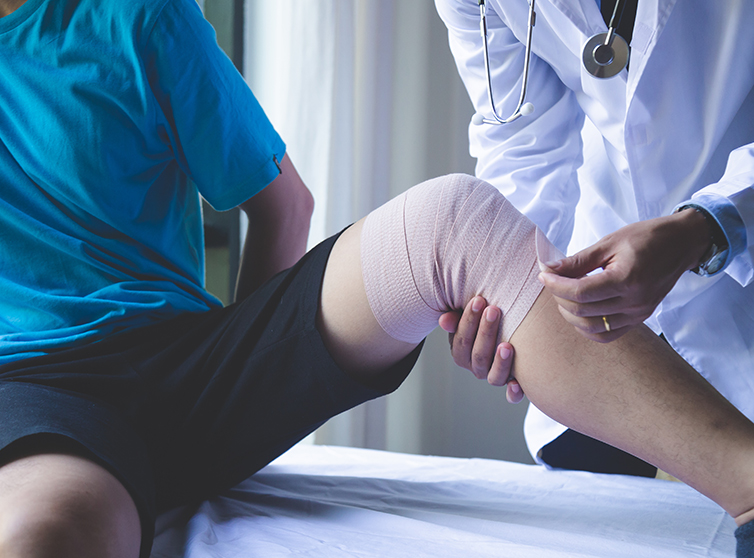
Effective Alternatives to Avoid or Delay Knee Replacement
Are you experiencing crunching sounds while climbing stairs or suffering from knee pain and swelling? This could be a sign of advancing knee osteoarthritis, which can be quite painful. If you're dealing with it, you might be thinking about getting surgery. Getting a knee replacement is one approach, but you might be able to delay surgery with non-surgical knee treatments.
There are many reasons why these non-surgical treatments are an effective alternative to knee replacement surgeries. This is because some patients cannot undergo knee replacement surgery for various reasons, such as being too young for a knee replacement. The major factor behind this artificial knee often lasts for 15 to 20 years. After this, the person may require a revision surgery.
If you're experiencing knee pain, our specialists may suggest a few non-surgical options that could alleviate your symptoms or delay the inevitable replacement surgery. While there is no treatment for arthritis, there are ways to manage the discomfort and stay moving.
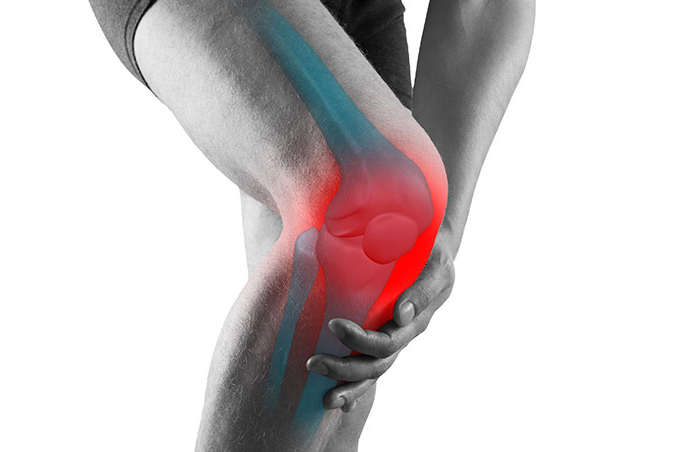
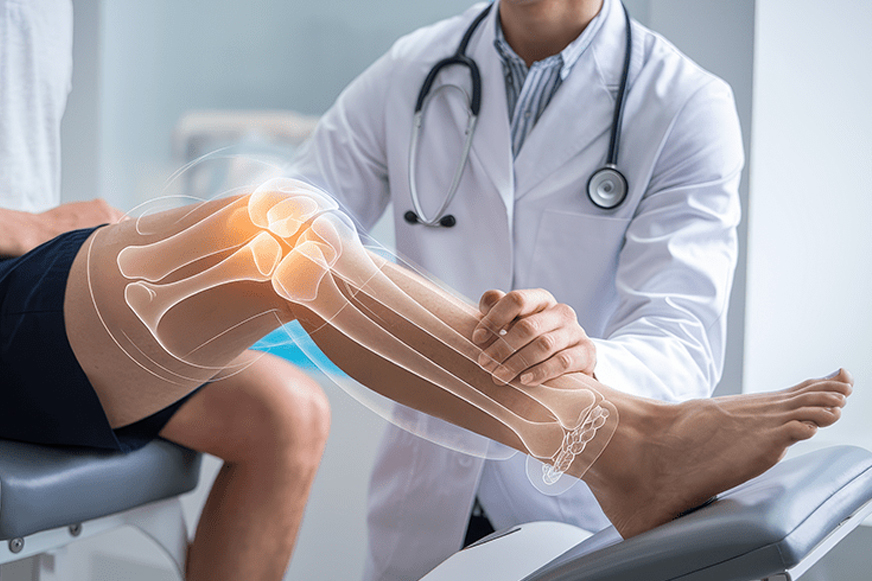
a. Weight Management to Reduce Stress on the Knee Joint
Carrying around more pounds puts extra pressure on your knees, which can lead to more discomfort and faster cartilage degeneration. According to experts, being overweight increases your risk of developing knee arthritis and hastens the process of joint degeneration. Losing weight isn't easy, but any amount helps with knee pain. Our bariatric expert or nutritionist may be able to help you if you are overweight or obese.
b. Low-Impact Exercise for Improving the Strength and Flexibility of the Knee Joint
In order to decrease discomfort and increase mobility, it is recommended to strengthen the leg muscles, particularly the quadriceps and hamstrings. Our experts advise engaging in low-impact exercises like cycling or treadmill walking regularly for muscle strengthening. It can be extremely helpful to undergo structured physical treatment under expert supervision. With the help of our physical therapist, you can undergo personalised physical training.
a. Pain Management With Medication
Nonsteroidal anti-inflammatory drug (NSAID) therapy can be helpful in the long term for knee pain treatment. Our experts will discuss the benefits and potential adverse effects of these pain management medicines with you before prescribing them. You will be under strict medical supervision while taking these medications long-term.
a. Injections for Knee Pain
Injections of corticosteroids and hyaluronic acid (HA) can alleviate inflammation and improve joint lubrication, which can be helpful in the short term. To delay surgery, injection-based treatments usually work for a few months.
c. Cartilage Restoration Options
Newer therapies that replace cartilage instead of the entire joint may be an option for patients with minimal knee joint arthritis and excellent bone alignment. Consult our orthopaedic surgeons on whether cartilage-regeneration procedures are a suitable option for you. For example, autologous chondrocyte implantation (ACI) entails extracting a sample of your cartilage cells, culturing them in a lab, and then surgically implanting them in your knee. It is not suitable for everyone. The young patients and athletes suffering from cartilage loss can be the most eligible candidates for this procedure.
If none of these treatments work for your osteoarthritis-related knee discomfort, there are still options. Radiofrequency ablation treats knee pain by eliminating the sensory nerves that transmit the pain signal from the knee to the brain. RFA is a temporary solution to your knee pain because nerves regenerate in six months to two years, causing pain to return.

Knee arthritis might worsen despite treatment. If you've tried these approaches and are still experiencing discomfort, you should consult our expert orthopaedic surgeon about knee replacement. Knee replacement is the safest and most effective surgical treatment and can provide long-term improvements in quality of life and mobility.
#Robotic Joint Replacement and Arthroscopic
Dr. Ishwar Bohra is currently the Senior Director at BLK-Max Hospital with over 24 years of experience in Joint Replacement and Arthroscopic.


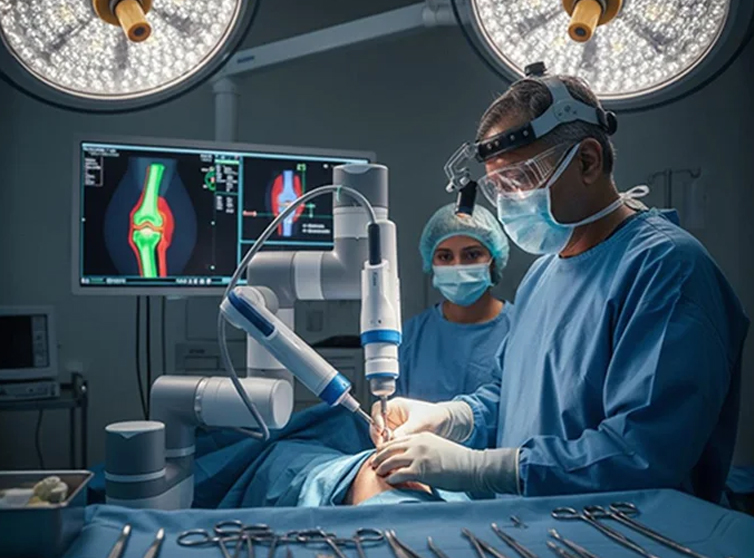
To restore natural knee movements in the long term, we employ the most biocompatible and durable implants that offer stability, durability, and comfort.
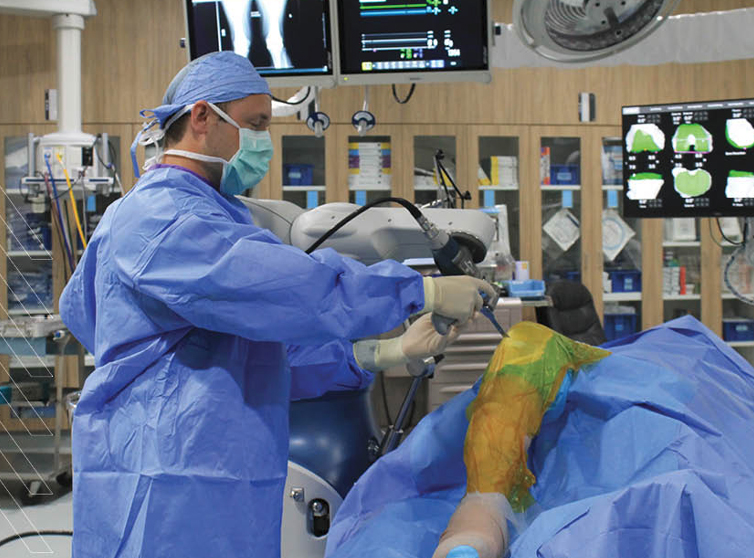
Our specialists are experts at performing robotic joint replacements for maximal tissue preservation using smaller incisions, enabling the patient to experience less pain and faster recovery.

Our advanced operation theaters and high patient safety standards help our surgeons to provide the most effective and practical surgical planning that aids in accurate implant positioning and alignment.
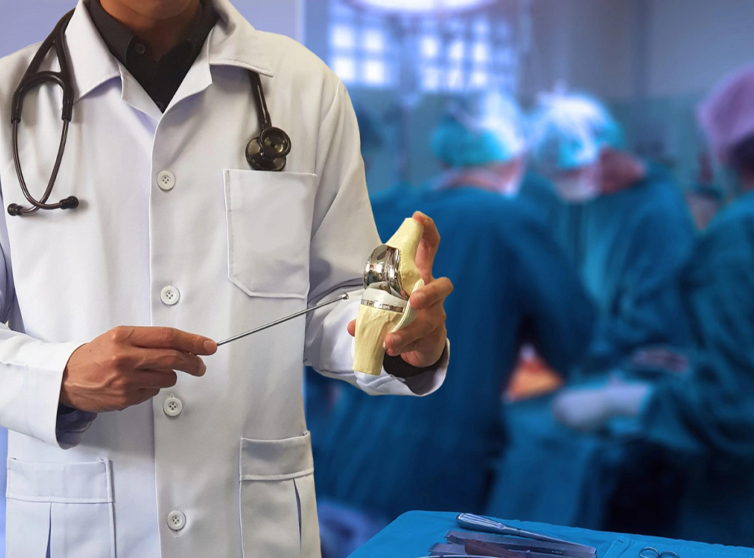
We follow globally accepted infection control protocols to ensure maximal patient safety before, during, and after the surgery.

We provide technology-driven rehabilitation and structured physical therapy support at our advanced physiotherapy unit to improve mobility, strength, and overall post-surgical knee performance of the patient.






Successfully recovered from varus & FFD deformity
Meet Mrs. Chandra
Successfully recovered from severe osteoarthritis
Mr. Austin Chisangu
Successfully recovered from osteoarthritis and carpal tunnel syndrome.
Mrs. Baglees
Successfully recovered from severe osteoarthritis
Savitri DeviA: No. Non-surgical treatments are not a permanent solution for knee arthritis. However, it can significantly reduce pain, improve mobility, and slow disease progression.
A: Relief varies depending on the treatment and severity of the ailment. Some alternatives may provide temporary relief for weeks or months, while others, when paired with lifestyle modifications, can provide long-term symptom control.
A: Yes. Structured and well-planned non-surgical solutions can greatly delay the need for knee replacement in many patients for several years.
A: When appropriately selected and administered, injections are generally safe. Your doctor will assess your medical history, joint condition, and risk factors before recommending them.
A: As arthritis worsens, some people may require knee replacement surgery. But nonsurgical therapy often assists in postponing surgery and maintaining function in many patients.